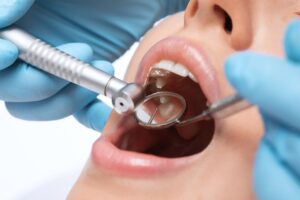
Dental crowns are designed to protect damaged teeth, but even crowned teeth can develop decay over time. If you’re dealing with a toothache or sensitivity under an old crown, you may be wondering whether a Root canal treatment in Islamabad could solve the problem without removing the crown. This FAQ-style guide will answer your most pressing questions and help you make an informed decision.

What Causes Cavities Under Crowns?
Even though crowns cover and protect teeth, decay can still form underneath. This usually happens due to Poor oral hygiene: Plaque and bacteria can accumulate at the crown margin. Worn or damaged crown edges: Tiny gaps between the tooth and crown allow bacteria to enter. Previous dental work: Teeth with old fillings or crowns are more susceptible to new decay. Cracks or leaks in the crown: Microleakage can create an entry point for bacteria. Cavities under crowns often go unnoticed until they reach the tooth’s nerve, causing pain or sensitivity.
Can a Root Canal Fix a Cavity Under an Old Crown?
Yes, in many cases, a root canal treatment in Islamabad can address decay under a crown. Here’s how:
-
Assessment: Your dentist will take X-rays to see the extent of the cavity and nerve involvement.
-
Root Canal Procedure: If the decay has reached the pulp, a root canal removes infected tissue, disinfects the canals, and seals them.
-
Crown Evaluation: Sometimes the old crown can remain if it’s structurally sound; other times, it may need replacement.
Root canals do not directly treat the cavity in the enamel but eliminate infection and prevent further damage, making them effective when the decay has progressed deep.
How Do Dentists Treat Cavities Under Crowns?
Treatment depends on the severity of decay:
| Treatment Option | When It’s Used | Key Benefits |
|---|---|---|
| Root Canal Therapy | Decay reaches the pulp | Removes infection, preserves the tooth |
| Crown Replacement | Old crown is damaged or cannot be resealed | Restores full protection, prevents further decay |
| Filling/Repair | Minor decay at the crown margin | Preserves the existing crown, minimal intervention |
Dentists will choose a treatment plan based on X-rays, the tooth’s structural integrity, and patient comfort.
Results You Can Expect After a Root Canal
Root canal treatment under an old crown has a high success rate, especially when combined with proper oral care. Typical outcomes include:
-
Pain Relief: Most patients experience immediate reduction in toothache and sensitivity.
-
Tooth Preservation: The treated tooth can last a lifetime with proper care, even under an old crown.
-
Infection Control: The procedure eliminates bacterial infection, preventing abscess formation.
-
Crown Integrity: If the crown is intact, it can continue protecting the tooth.
-
Improved Oral Health: Treating decay early prevents further damage to surrounding teeth and gums.
Long-term success depends on regular check-ups, proper brushing and flossing, and addressing any crown damage promptly.
Will the Crown Always Need Replacement After a Root Canal?
Not necessarily. Some crowns can remain in place if:
-
The crown is still in good condition.
-
There is enough tooth structure to support the crown.
-
The dentist can create an access point without damaging the crown.
However, if the crown is old, cracked, or poorly fitting, replacement is often recommended to prevent future decay.
How Painful Is a Root Canal Under a Crown?
Many patients fear root canals, but modern techniques make the procedure relatively comfortable. Key points:
-
Local anesthesia ensures the tooth is numb during treatment.
-
Any mild post-procedure discomfort is usually manageable with over-the-counter pain relievers.
-
Using a crown as a guide, dentists can access the pulp without extensive drilling.
In most cases, patients report that the procedure is less painful than the initial toothache caused by the cavity.
How Long Does It Take to Heal After a Root Canal Under a Crown?
Recovery depends on the tooth’s condition and your oral care:
-
Immediate relief: Pain from infection typically subsides within a few days.
-
Complete healing: The tooth and surrounding tissues usually stabilize within 1–2 weeks.
-
Follow-up care: Your dentist may check the crown and tooth to ensure proper sealing and function.
Maintaining good oral hygiene, avoiding hard foods for a few days, and attending follow-up appointments are crucial for long-term success.
Can Root Canals Prevent Further Decay Under Crowns?
While root canals address infection, preventing future cavities under crowns requires proactive care:
-
Brush twice daily with fluoride toothpaste.
-
Floss carefully around crowns and along the gum line.
-
Use an antiseptic mouthwash to reduce bacteria.
-
Schedule regular dental checkups for early detection of issues.
A root canal removes infection but cannot prevent new decay; preventive care is key to preserving crowned teeth.
Reviews from Our Patients
“I had an old crown causing constant pain. The dentist recommended a root canal, and the procedure was painless. My crown didn’t even need replacement, and I feel great now.”
“Root canal treatment under my crown seemed scary, but the staff explained everything clearly. Recovery was quick, and I can chew comfortably again.”
“I was worried my old crown would have to be removed. Thanks to the root canal treatment, my tooth is healthy, and the crown is fine. Highly recommend this clinic.”
Contact Us
If you suspect a cavity under an old crown or are experiencing pain, consult our experienced team for professional guidance. At our clinic, we specialize in Root Canal Treatment in Islamabad, ensuring comfortable, effective care with long-lasting results.
Contact Information:
Address : Office Number LG 20 – 21 Interlace Plaza I-8 Markaz Islamabad
Phone : +92 333 5705871
Email : info@glamorousclinic.com.pk
Link : https://www.glamorousclinic.com.pk/
Book your consultation today and protect your dental health!